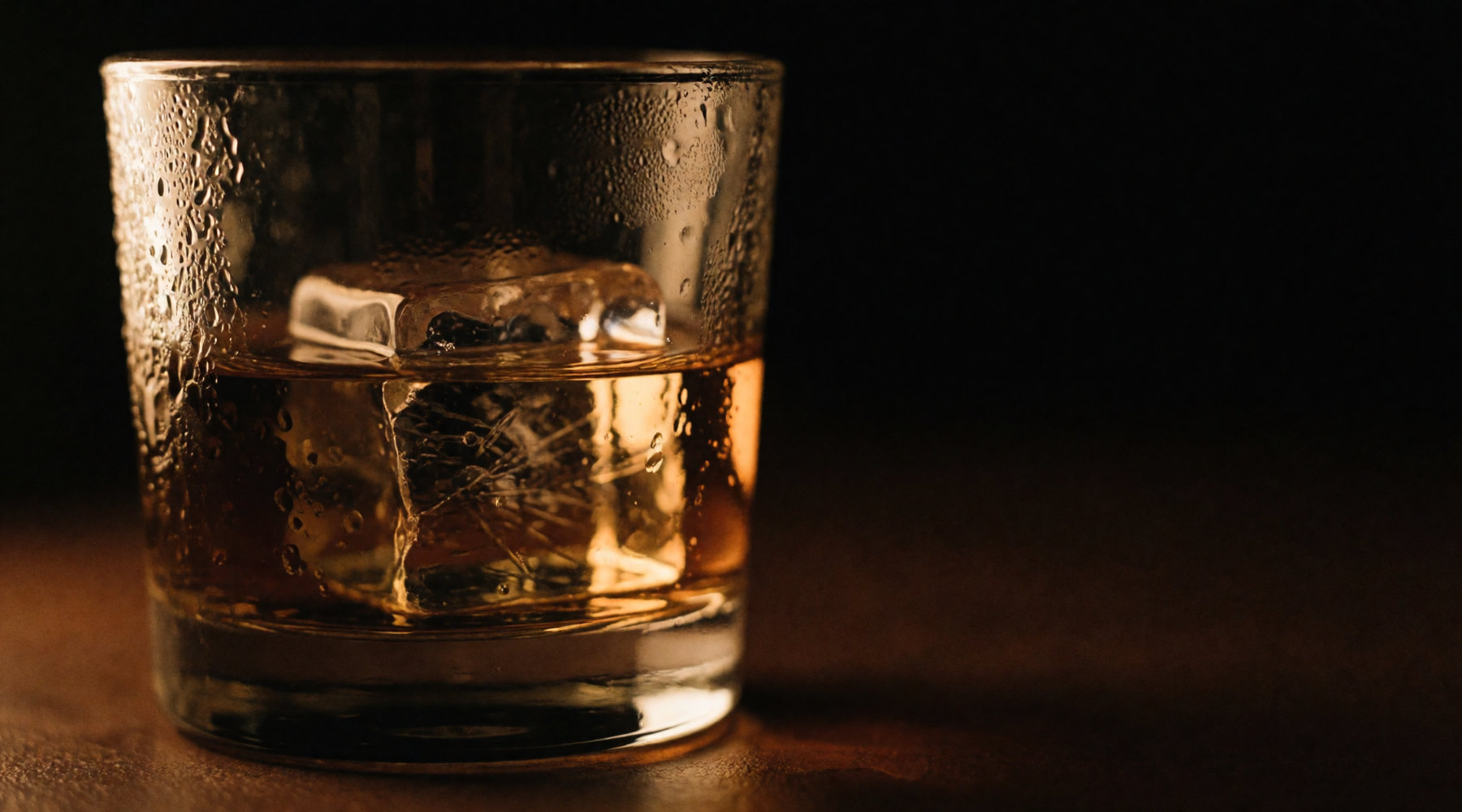
In 1806 a newspaper in upstate New York answered a reader who had written in to ask what a cocktail was. The reply named four things: spirits of any kind, sugar, water, and bitters. It reads like a recipe now. It was closer to a definition, a way of marking off one kind of mixed drink from the slings and toddies a bar could otherwise pour. Three of those four are what anyone would expect. The fourth is water, set down as plainly as the sugar. Every drink that followed is still built on it.
That definition is the whole architecture, and the drink it describes is now called an Old Fashioned. The name is an accident of language moving. The usual account is that by the late 1800s the word could cover almost anything with a liqueur in it, so asking for the plain version meant asking for it the old-fashioned way. What matters is what the four parts do. Sugar and water are not there to sweeten and lengthen. They hold the whiskey where its own character stays legible, and the bitters press on it from the other direction. Nothing in the glass is trying to improve the spirit.
Water is the ingredient nobody credits, because it is in the whisky long before anyone reaches for a glass. The grain is mashed with it. Most bottlings are reduced with it before they are sealed, which is why cask strength is the thing a label announces. So the 1806 reply was not adding a step. It was naming something the spirit had carried the whole way, and setting it beside the sugar and the bitters gave it the standing of an ingredient rather than an afterthought. That is the part that does the work, and none of the four drinks that followed ever writes it down.
The Manhattan is that template with a single substitution, and the substitution is the interesting part. Sweet vermouth is a fortified wine carrying botanicals, which means it walks in holding three of the original four at once. It brings sugar. It brings water, since it is mostly wine and sits well below the whiskey in strength. It brings bitterness of its own. So the Manhattan is not an Old Fashioned with something added. It is the same definition with three of its parts handed to one bottle, which is why it behaves like a separate drink rather than a variation. Whiskey is what makes the trade survivable: enough wood and weight to stay recognisable beside a flavoured wine, where a lighter spirit is absorbed.
The Whiskey Sour keeps the structure and changes the agent doing the balancing. Citrus takes the job the bitters had, keeping sugar from being the loudest thing in the glass, and it does it with acid rather than bitterness, which is a blunter instrument and gives the family its name. The Highball runs the same logic to its limit. Whiskey lengthened with soda is the one member that stops hiding what the definition asked for, and the carbonation is doing work rather than filling space. Nothing is covering for the spirit there, which is why the style flatters a whiskey with something to say and is unkind to one without.
Set the four next to each other and the resemblance is not a coincidence of fashion. It is one definition worked out four ways by a great many people who left no name. Each is a different answer to how much of the whiskey should be left standing on its own, and the answers were not designed so much as settled by everything that failed alongside them. The drinks read as the simplest things on any list. The newspaper that started the whole argument was answering a reader who did not know what the word meant.